If you’re in a hurry, here’s a quick list of darknet search engines of 2026 list to help you choose the right tool for the job:
- OnionFind: The gold standard for safe searching; filters out illegal and harmful content.
- DuckDuckGo: It’s a go-to for searching the regular web privately while on the Tor network.
- OnionLinks: A polished easy-to-use search tool that works across different networks.
- Ahmia: A community-driven engine backed by the Tor Project.
- Torch: One of the oldest and biggest engines, but completely unfiltered.
- Haystack: Massive index with advanced search options for power users.
- Recon: Darknet marketplace search engine for quick cross-market analysis of vendors, reviews.
- DarkSearch: Designed for threat intelligence and searching for data leaks.
- VormWeb: A good portal for discovering .onion sites, privacy news, and essential dark web resources.
- TorDex: It organize .onion links, marketplaces, and services for easier discovery on the Tor network.
Disclaimer (Safety First): Exploring the dark web carries inherent dangers. This article is informational. For any interaction, using a reputable VPN (such as NordVPN, our #1 recommendation) is a non-negotiable first step for security.
The internet most people use every day, known as the clearnet, is only a small part of the web. Beneath it lies the dark web, a hidden network often misunderstood but widely used by journalists, activists, and privacy advocates.
Accessing the dark web requires special browsers like Tor, as standard search engines such as Google cannot index .onion websites. These sites also change addresses frequently to stay anonymous, making navigation difficult, especially for new users.
This is where dark web search engines act as a map. Some offer safer, filtered results, while others provide unrestricted access. In this guide, we list the best hidden web search engines, highlighting which ones are safer and more reliable for navigating the dark web securely.
What exactly is a dark web search engine?
Search engines for the dark web are highly specialized resources that are designed to search the dark web. They are also able to create a list and categorize all of the .onion sites that exist only on the dark web.
It’s important to remember that the ‘dark web’ is a specific, hidden part of the much larger ‘deep web.’ If you’re unsure about the distinction, our article on dark web vs. deep web uncovers the difference and clears it up perfectly.
In addition, dark web search engines are not indexed by sites like Google or Bing because they are not visible to regular web crawlers. You can only access these kinds of websites via the TOR (The Onion Router) network. Also, you will need a particular kind of dark web browser to access the dark and deep web.
You can consider the dark web as an impressively huge and secret library where every book has been organized randomly on shelves. Also, in this library, no one knows exactly where to locate anything, because it doesn’t use a card catalog. An underground search engine guides you to the correct shelf by providing you with a custom, hidden catalog.
How do they function? Dark web search engines do not have massive server farms like Google; instead, they use specially designed ‘Tor-based’ crawling programs that crawl through the dark web. Many search engines rely on volunteers to submit links through a web interface.
This slower and more incomplete crawling process, dark web search engines will not provide nearly as extensive results as search engines typically provide over the Internet; however, a significant amount of the dark web is temporary, and many of the onion websites will go offline at some point without warning while undergoing maintenance or because of legal closure.
These types of search engines typically fall into several categories:
- Full-text search engines: Focus on capturing the text content of the site and indexing it by keywords (examples include Ahmia & Torch).
- Curated directories: Much like the current-day ‘yellow pages’, where humans verify links to ensure that they are still active and not scams prior to listing them on their directory.
- Specialized search tools: Focus specifically on certain areas such as finding leaked information, or searching through dark web, underground marketplaces.
The primary distinction between the search engines within the dark web vs. those available on the “regular ole web” is the level of safety & security associated with using them. With regard to Google, many of the most dangerous items found on the dark web may still be visible; therefore, you could potentially access those items via Google, but not with the levels of support for safety and security listed above associated with the source.
Importance of safe darknet searching today
As one of the largest future darkwebs, the dark web today has increased dramatically in activity since its inception. The vast increase in activity can be attributed to the current global circumstances and demand for online commerce and information. Information accessibility has led to the exponential growth of cybercriminal activity, as well as a corresponding increase in data breaches each week, which is a significant factor in the need for safe searching skills in today’s time.
To put it bluntly, it isn’t only to keep you from seeing anything illegal, but to help keep your entire life secure on the digital side when you start to search the dark web for your safety.
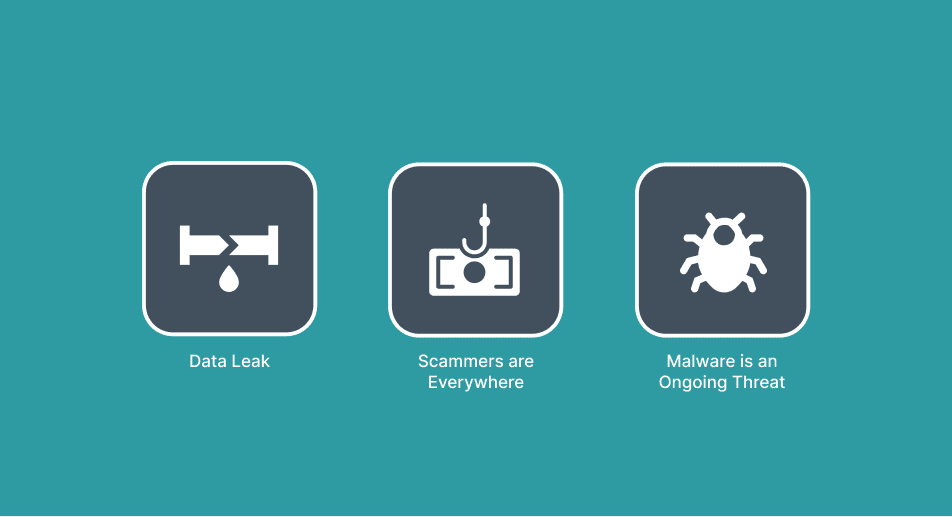
- Data leak: Every time a company has its data stolen (i.e., hacked), it’s all being sold on the dark web, the names (email, phone numbers, etc) and Passwords (passwords, SSNs, etc). For example, If I am a Business Owner and I am worried about Identity Theft and want to search to see if my information is being sold (on either side — free vs paid), then finding out quickly means the difference between being so irritated or being financially ruined.
- Scammers are everywhere: The dark web is an environment where buyers need to do their own research and due diligence. One click on a “market” link can lead to phishing sites used to steal Bitcoins. Search engines that focus on safety, also known as safe-search engines, filter out known scam sites.
- Malware is an ongoing threat: Since the reason for anonymity is to hide from law enforcement and/or other bad actors, file-encrypting malware can easily be hidden by these types of individuals under the guise of “free downloads”.
- The objective of Virtual Private Network (VPN) users everywhere: Privacy. You should be aware that while the objective of many dark websites is to be anonymous and untraceable, you can easily identify yourself through your use of traditional search engines and search engine tracking. To maintain your anonymity while browsing these anonymous sites using a traditional search engine, you need to select a non-tracking search engine. The critical question remains:
Can you safely and securely browse these hidden web pages without being directed to potentially dangerous websites, downloading possibly harmful software?
Certainly. The key is the tools you use. Use a search engine that focuses on safety, follow the basics of doing research safely by keeping your VPN active, and not using your real name online, and then there’s little chance you’ll fall victim while using the dark web for research, journalism, or privacy.
This careful approach is equally important, though it requires slightly different steps, when accessing the dark web from a mobile device. (A VPN provides an excellent layer of anonymity, but Tor provides the majority of the anonymity.)
Your security setup is only as strong as its weakest link. Just as you need the right search engine, using a VPN specifically optimized for the unique demands of the dark web is non-negotiable for robust protection.
Top-notch dark web search engines today – Our detailed list
Below, we list the top ten darknet search platforms that are well-known today. Almost all these have both clearnet URLs and onion addresses for easy access for users.
1. OnionFind
- Direct onion link: onionfind.com
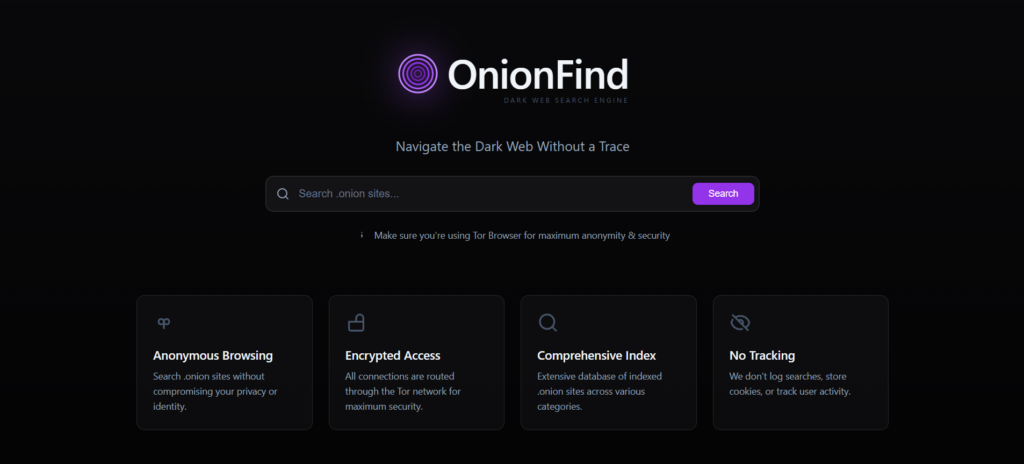
If you are unfamiliar with the hidden internet, then OnionFind is most likely the first site you want to check out. Its purpose is to help create more of a usable resource from the dark web instead of the present “wild west” feel that it can have.
While it does index thousands of onoin sites, they have a very strong filtering process in place. The filtering process ensures that nothing relating to child abuse, extremely immoral criminal acts or known scamming websites will show up in the search.
OnionFind operates in “safe mode” for the dark web. People can safely use the search and not worry about being tracked via IP address or having their search history stored. OnionFind is a great demonstration of how you can search for things without being exposed to the horrific things on the unindexed web.
2. DuckDuckGo
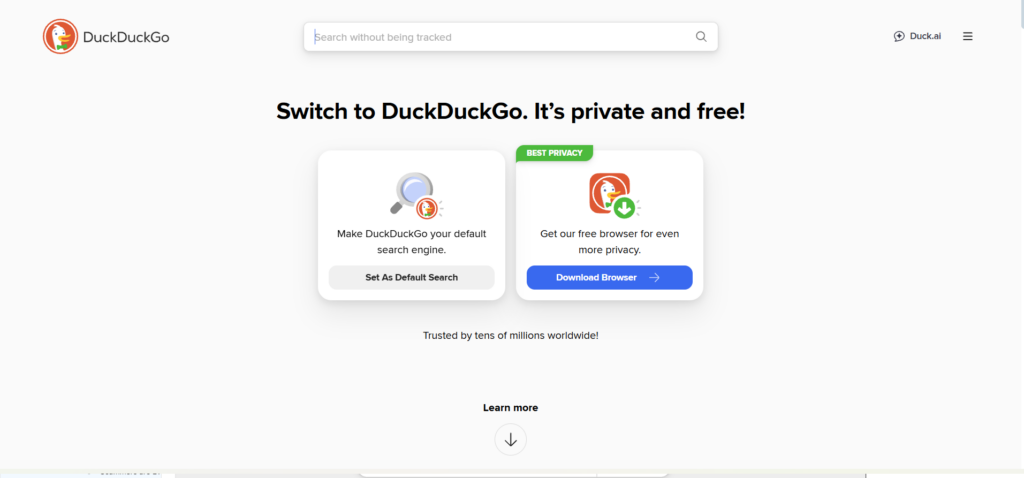
- Direct onion link: duckduckgo.com
Third on our list today is DuckDuckGo, which is an internet search engine. However, it isn’t just a normal search engine; it is one of Tor Browser’s default search engines. DuckDuckGo’s Onion Domain offers you the most private means of performing searches on the clearnet while accessing the dark web.
DuckDuckGo does not index .onion domains; instead, DuckDuckGo serves as your entrance to the surface web without tracking as would usually occur. If you want to remain anonymous and want to find a news article or look up a legal definition, then DuckDuckGo is the service that is right for you.
3. OnionLinks
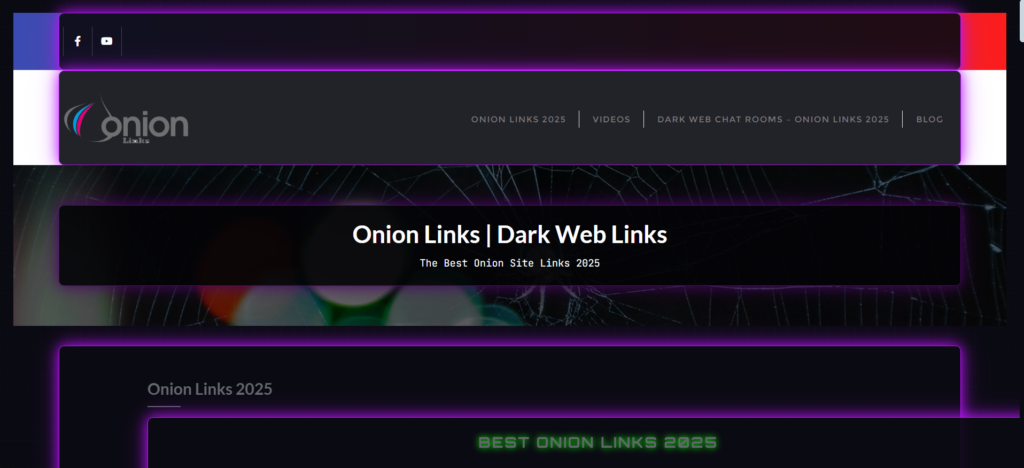
- Direct onion link: onionlinks.com
OnionLinks is a contemporary search engine that aims to connect users from the clearnet (regular web) with the dark web. The OnionLinks search engine’s main purpose is to create an integrated meta index across multiple anonymity networks, i.e., not only the Tor network.
OnionLinks features a polished, dark-themed interface that feels very similar to Google, making it familiar and easy to use. In addition to an attractive interface, it is easy to navigate and provides preview snippets of the information on each site prior to the user clicking on it. The advantages of this feature are enormous since users can quickly avoid hunting down an obviously dead-end or fraudulent link that leads nowhere.
4. Ahmia

- Direct onion link: ahmia.fi
Ahmia is a very well-known tool for privacy advocates due to its reputation. It is an open-source software application that allows anyone to view the program’s source code and verify that there are no hidden trackers or backdoors to obtain data.
In addition, it has received support from the Tor Project on several occasions. Furthermore, the browser enforces a stringent rule that prohibits the use of abusive files. This ranks it as one of the cleanest search engines to use on the darknet.
Another unique feature of Ahmia is that it allows you to view search results without using a dark web browser. But you will need to use Tor to be able to access these links to the search results.
5. Torch
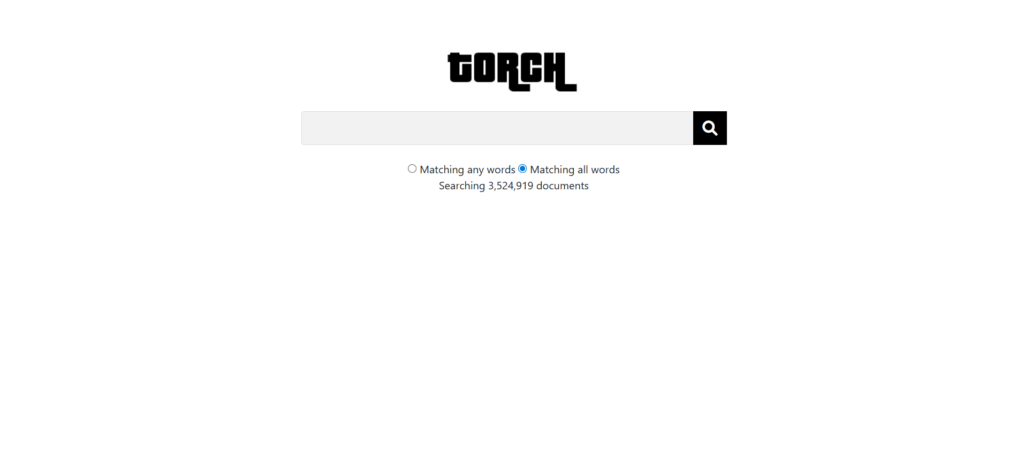
- Direct onion link: torchsearch.org
Torch is a highly popular dark web search engine, launched in 2025, and remains free for anyone to use. Its index spans millions of pages, making it one of the most extensive in the world. If a site has ever been on the dark web, Torch has likely discovered it.
It operates with absolutely no filters whatsoever. Torch lets you search for anything freely and doesn’t hide any results from you. Therefore, it is a great asset for more seasoned users, but a very scary tool to use for novice users.
6. Haystack
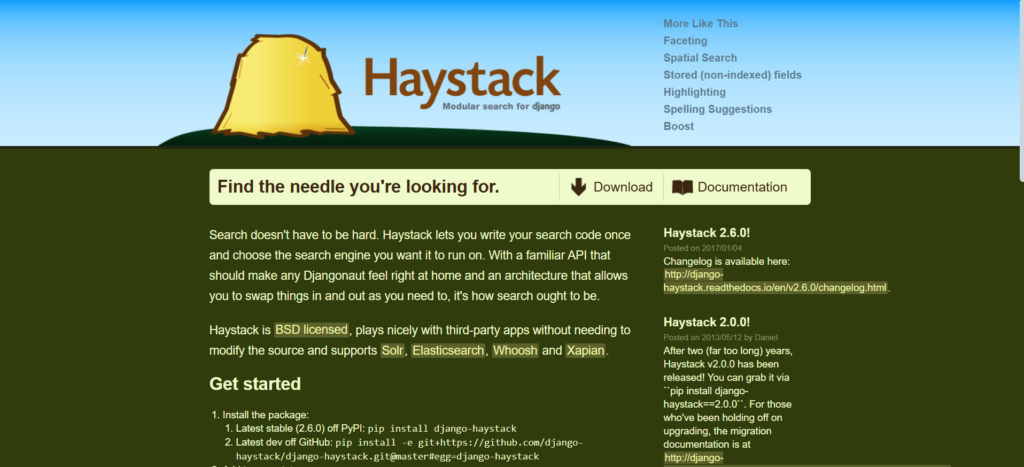
- Direct onion link: haystacksearch.org
Haystack stands out as a major player in the search engine space and serves as the “Library of Congress” of the dark web. It claims to have indexed approximately 1.5 billion pages and has over 260,000 activated onion sites, and has an easy-to-use interface that has many of the same features typically only found on surface web search engines, and therefore is a top competitor.
Haystack has also created a paid version of its product that provides additional features, including the ability to search through archived websites and enhanced capabilities for filtering your search results. For the majority of users, Haystak’s free version provides an excellent resource for finding what you are looking for.
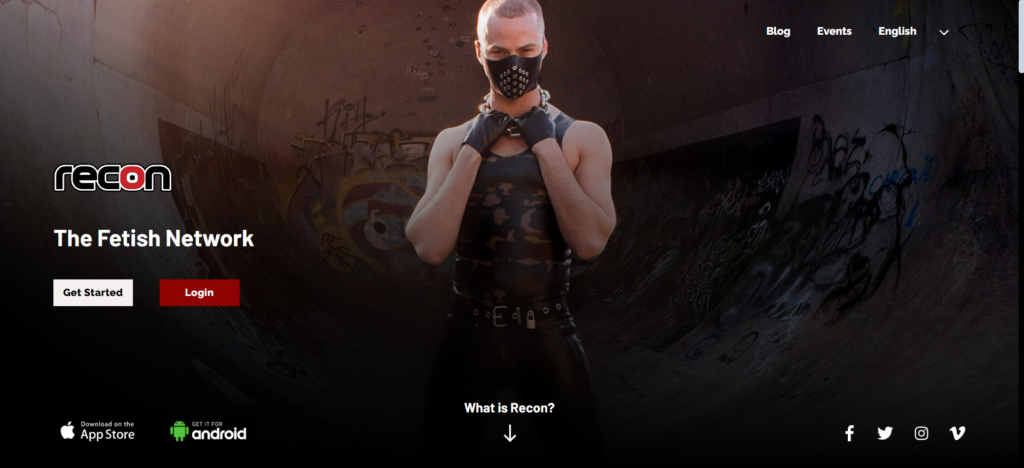
7. Recon
- Direct onion link: recon.com
Recon is a specialized search tool focused exclusively on darknet marketplaces. It is widely used by researchers, journalists, and law enforcement to analyze vendors, compare listings, and track trends across multiple markets.
By aggregating vendor profiles, reviews, and product data, Recon enables fast cross-market analysis that would otherwise take hours. However, because it provides insight into illicit ecosystems, users should proceed with extreme caution.
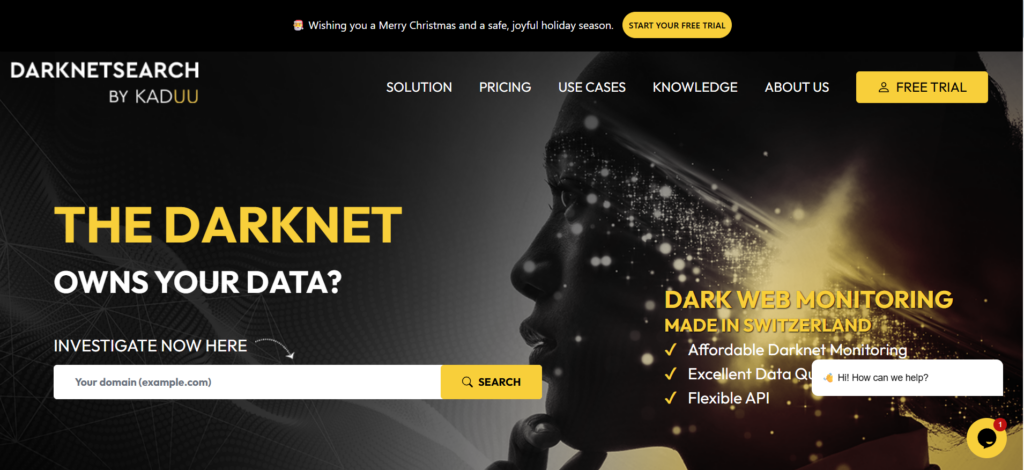
8. DarkSearch
- Direct onion link: darknetsearch.com
DarkSearch has a unique position in that it focuses primarily on professionals, as it was the original “Real Time” search engine for the dark web. It serves the cybersecurity community and helps them stay vigilant against threats or leaks of information on the hidden internet.
The look of DarkSearch is very businesslike, although it also includes an API (application programming interface) that allows other companies to develop security solutions that automatically use DarkSearch to regularly search for their company’s name on dark websites.
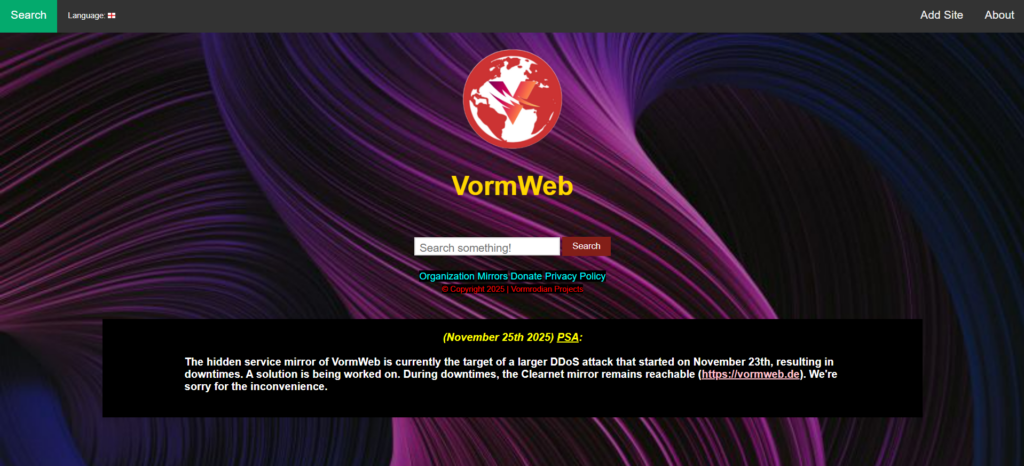
9. VormWeb
- Direct onion link: vormweb.de/en
VormWeb offers more onion-focused features than many of its competitors. It’s easy to use, features a modern interface, and includes a dedicated news section covering privacy, security, dark web updates, and helpful resources.
More than just a search engine, VormWeb functions as a complete dark web portal. Its versatility makes it especially useful for research and exploration, with access to a wide range of markets, directories, and forums that simplify navigation across the dark web.
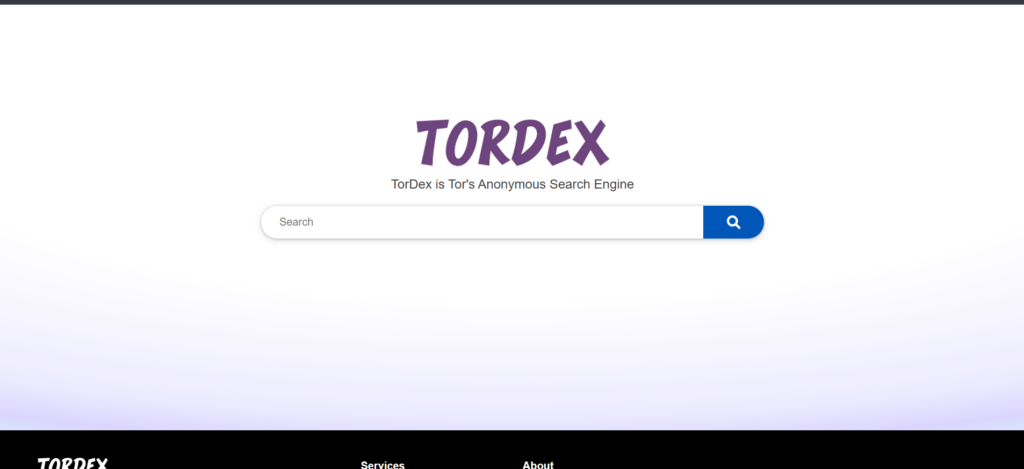
10. TorDex
- Direct onion link: tordex.app
TorDex is one of the leading privacy-focused hidden web search engines, constantly evolving to deliver up-to-date and uncensored results from across the dark web.
Its clean, user-friendly interface doesn’t compromise on advanced features, making it accessible to both new and experienced users.
The search engine offers fully uncensored searches while using advanced technology to surface relevant sites and flag potentially dangerous ones.
Conclusion
Using the best dark web search engines of 2026 can be related to strolling into a very dark cave with a little flashlight. You can find various amazing things, like uncensored information or complete privacy. Once you’ve found something interesting, knowing which specific dark web sites are reputable for forums, libraries, or privacy services is the next critical step.
However, because the dark web has no rules, you can easily encounter scams. The Solution is to use filtered tools like OnionFind or DuckDuckGo, keep your browser security on high, and always use a solid VPN service like NordVPN.
The Proof that this works is that you can enjoy the benefits of the hidden web while avoiding the viruses and traps that give it a bad name. Just stay cautious and keep your VPN active. By being wary of every link on the dark web, you will be able to use the dark web for your private activities.
FAQs
Share this article
About the Author

Farwa is an experienced InfoSec writer and cybersecurity journalist skilled in writing articles related to cybersecurity, AI, DevOps, Big Data, Cloud security, VPNs, IAM, and Cloud Computing. Also a contributor on Tripwire.com, Infosecurity Magazine, Security Boulevard, DevOps.com, and CPO Magazine.
More from Farwa Sajjad